Overlay, mill and pave, or rebuild: how to choose for your lot.
📞 Call (786) 321-8089 Request a Free Estimate
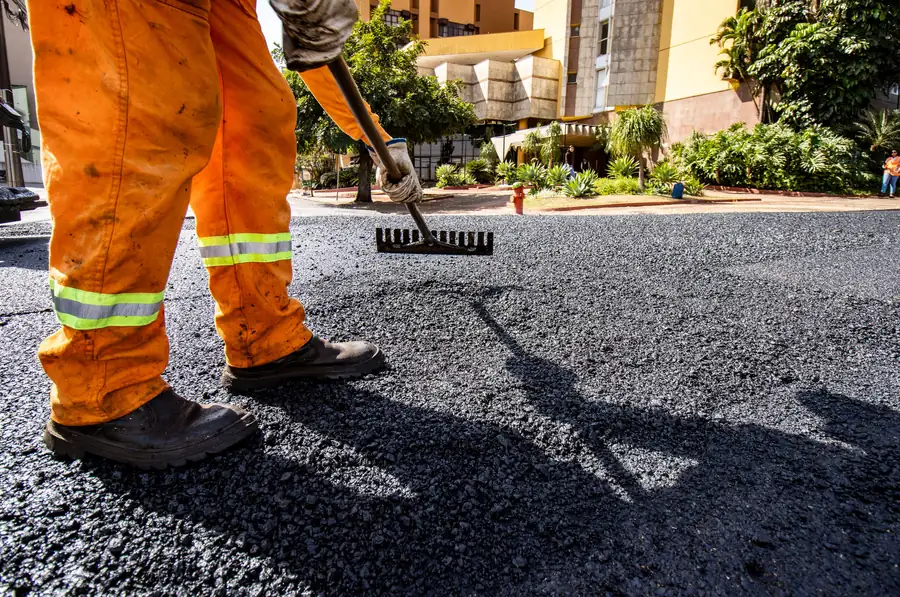
Property managers, HOA boards, retail plazas, warehouses and office parks come to us with one question: does this lot need a new surface or a new base? This page treats parking lot repaving as that decision, overlay, mill and pave or full-depth reclamation, part of the commercial parking lot paving and repair we do across Miami. Call (786) 321-8089 for a free on-site assessment that answers it for your lot.
Full replacement costs more per square foot: the cost guide's ballpark is roughly $2.50 to $7.00, paying for demolition, excavation, a new compacted base, a full asphalt section, drainage structures, curbs and a new layout. A mill and overlay usually costs less and pays for milling, full-depth patches, structure adjustments, a new surface course and restriping.
Read the base, not the surface. A lot that stays firm under a loaded truck, with cracks in single lines and old repairs flat, can take an overlay, or a mill and pave where it must stay level with curbs and doors. Webbed cracking, returning ruts and wet holes call for reclamation.
A rebuilt base resets the lot the furthest, since every surface treatment depends on what sits under it. An overlay or a mill and pave extends the life of a sound base, and lots built on a proper limerock base 10 to 20 years ago often still have one.
Repair stops being enough when:
We decide area by area, in this order.
Storefront lanes, open stalls, drive aisles, truck routes and back corners carry different loads, so each is read on its own.
Single cracks and flat old repairs say the base is working; webbed cracking, pumping after rain, returning ruts and sunken puddles say it is not.
A small core or saw cut shows the asphalt thickness and the condition of the limerock, so a doubtful area is measured, not guessed.
The condition map gives every zone an overlay, a mill and pave or reclamation, and becomes the phasing plan and the itemized quote.
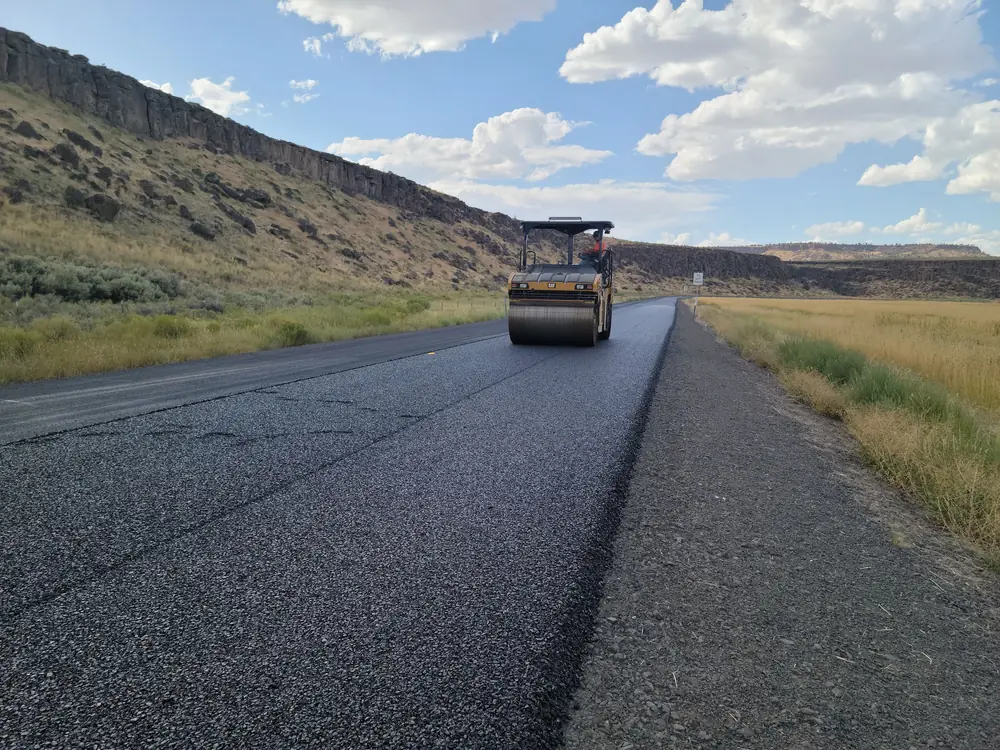
Most lots fit one of three options; larger lots often use two.
| Option | When it fits | Effect on the lot's life | Cost drivers |
|---|---|---|---|
| Overlay | Sound base, worn surface, room to add height | New surface; the base keeps aging on its own schedule | Area, prep, structures raised |
| Mill and pave | Sound base, worn surface, lot must keep its height | New surface with the worn asphalt removed, not buried | Milling area and depth, curb work, frames reset |
| Full-depth reclamation | Base failure across connected areas | Rebuilt base; the clock restarts under the asphalt too | Area reclaimed, stabilizer, asphalt section, grading |
Faded asphalt shedding stone, yet the lot stays firm under a loaded truck and rain still reaches the inlets. Open aisles and back rows are the usual fit; see parking lot resurfacing and overlays.
The same sound base, but the asphalt already sits high against curbs, gutters or catch basin frames. Adding height would send water at the doors, so milling and paving takes the worn layer off first.
Webbed cracking across whole aisles, ruts that return after each repair, muddy water pumping through cracks after rain. A new surface over a failed base fails early, so full-depth reclamation rebuilds the base in place. More in the asphalt overlay vs replacement guide.
Whichever option the assessment points to, these lines move the quote:
Ballpark figures are in the Miami parking lot paving cost guide; your lot's number comes from the itemized quote after the free assessment.
Heat and UV age the surface faster than the base, so a lot here can look finished while the limerock under it is still sound; that favors an overlay or a mill and pave more often than the surface suggests.
Flat ground, a high water table and summer storms push the other way, soaking a base through open cracks, so a spot that has held standing water for years more often needs reclamation. Grade and inlet work should finish before hurricane season, June 1 to November 30.
Permits follow the option: work that keeps the existing drainage may not need one, while resurfacing that changes drainage and changes to accessible parking often do. Rules differ from city to city, and your city or county building department has the final word; see the paving and permit FAQ, repaving in Miami-Dade County and repaving in Broward County.
Call (786) 321-8089 or send the form with the address and what you see failing, and we will book a free on-site assessment. The itemized quote names the option for each area, so you can repave a parking lot without paying to rebuild a base that is still sound.