Rebuilding a failed base in place under an existing lot.
📞 Call (786) 321-8089 Request a Free Estimate
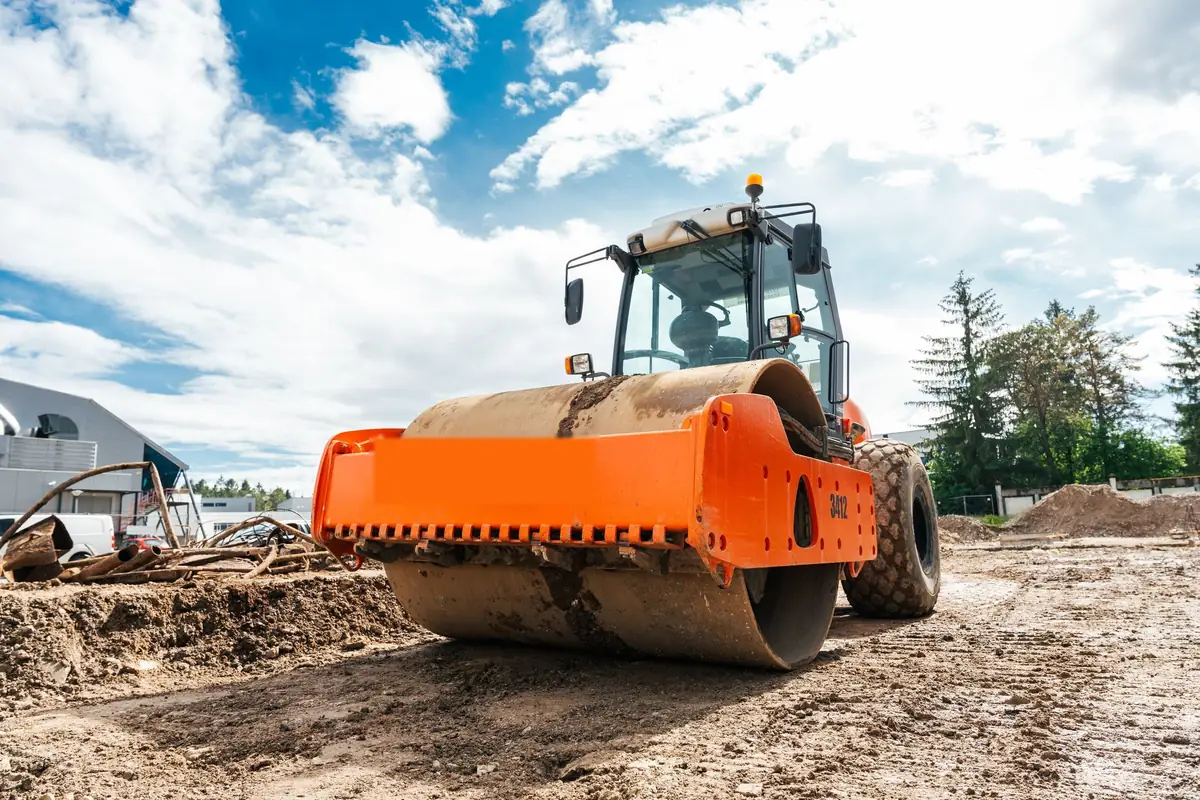
When the base under an existing lot has failed, property managers, HOA boards, retail plazas, warehouses and office parks need parking lot reconstruction, not another layer on top. We rebuild failed areas in place with full-depth reclamation and base repair, which recycles the old pavement instead of paying for asphalt removal and new fill, part of our commercial parking lot repaving and repair in Miami across Miami-Dade, Broward and Palm Beach. Call (786) 321-8089 and we will book a free on-site assessment of the failing areas.
It is a way to rebuild a failed lot in place. A reclaimer pulverizes the old asphalt with the damaged base under it and blends them, often with a stabilizing additive. The blend is shaped and compacted into a new base, and fresh asphalt goes on top.
No, though both end with a new base and new asphalt. A tear-out digs the old pavement and base out, trucks them away and brings in fresh limerock. Reclamation rebuilds the base from the old layers right on site, so far fewer truckloads come and go.
Usually not. Base failure tends to sit in truck lanes, dock approaches, dumpster routes or a low corner that holds water, while customer stalls often hold up. We rebuild only the failed zones and give sound areas a lighter treatment, so the scope follows the damage.
These start below the asphalt, where no surface treatment can reach.
Reclamation rebuilds a lot that is already there; we do not build lots on raw land. The work runs section by section so part of the property stays in use.
Test holes at suspect spots show the asphalt and base, so we can mark which zones get reclaimed, which get a smaller repair and which are sound. Utility lines, inlets and irrigation are located first.
A reclaimer, a large machine with a mixing drum underneath, grinds the old asphalt and the top of the failed base into one even, granular layer.
A second pass mixes in water and, when the material needs it, a stabilizer such as cement or an asphalt emulsion, chosen from what the test holes showed.
A motor grader shapes the blend to slopes that carry water to the inlets, and heavy rollers compact it into a dense new base.
When the base is ready, which depends on the additive, hot mix asphalt is laid and rolled, heavier in truck lanes than in customer stalls.
Cars return once the new asphalt has cooled and loaded trucks later; striping follows, and the next section starts.
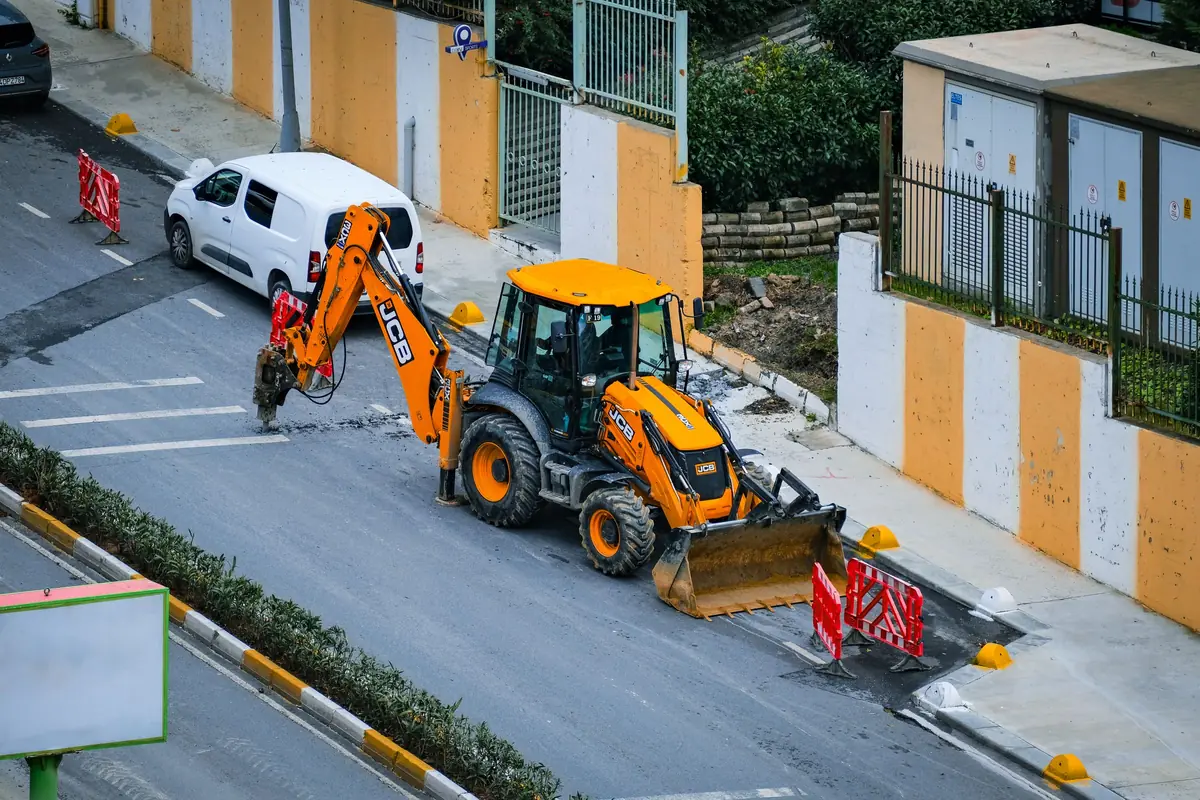
One property often needs more than one method.
On rebuilt limerock, customer stalls commonly get 2 to 3 inches of asphalt over 6 to 8 inches of compacted base, while truck lanes, dock approaches and dumpster routes commonly get 3 to 4 inches of asphalt or more over a thicker base. A property due for repaving across the existing lot can combine all three under one phased plan.
Reclamation is priced by area and by what the old material needs. The main drivers:
Dollar ranges are in the guide to parking lot paving costs in Miami, and the overlay vs replacement guide covers when rebuilding beats resurfacing. For your lot, the free assessment ends in an itemized quote.
Most base failure here is a water story. The water table is high, the ground is flat, and summer storms push water through open cracks into the limerock, softening it until traffic breaks it apart.
Limestone near the surface gives a rebuilt base firm support. Reclamation is also the moment to fix slopes, and grade work finished before hurricane season, June 1 to November 30, keeps the lot draining through the wettest months.
Reconstruction that reshapes drainage will often need a permit, and each municipality in Miami-Dade County, plus the unincorporated county, sets its own requirements, as does every city in Broward County. Your city or county building department has the final word, and our paving and permit FAQ explains more.
Call (786) 321-8089 or send the form with the areas that keep failing. A free on-site assessment comes first, then an itemized quote broken out by zone.