Saw-cut patches on a rebuilt base, with trip hazards fixed first.
📞 Call (786) 321-8089 Request a Free Estimate
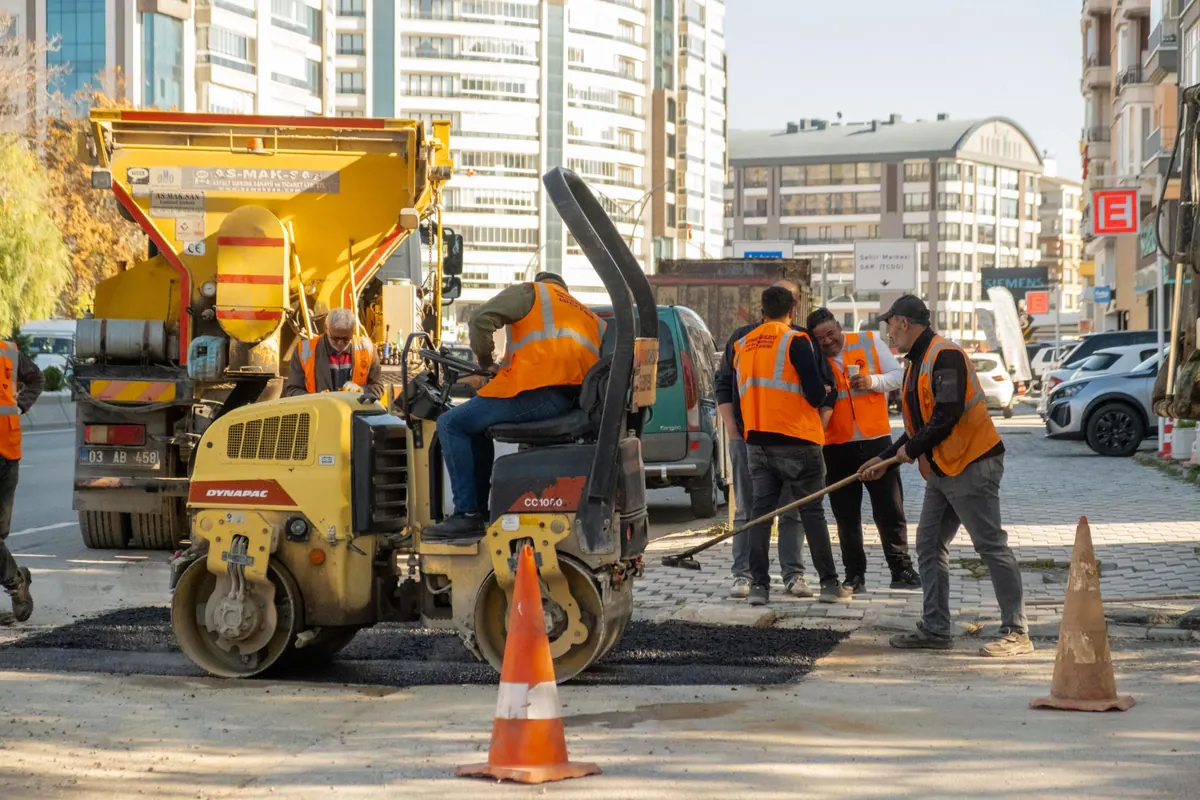
Property managers, HOAs, retail plazas, warehouses and office parks call us for parking lot repair when potholes, crumbling edges and sunken patches start showing up on a lot that still mostly works. We cut out the damage, rebuild the base underneath and pave it back flush as part of our Miami parking lot paving and repair work across Miami-Dade, Broward and Palm Beach. Call (786) 321-8089 for a free on-site assessment and a repair list ranked by risk.
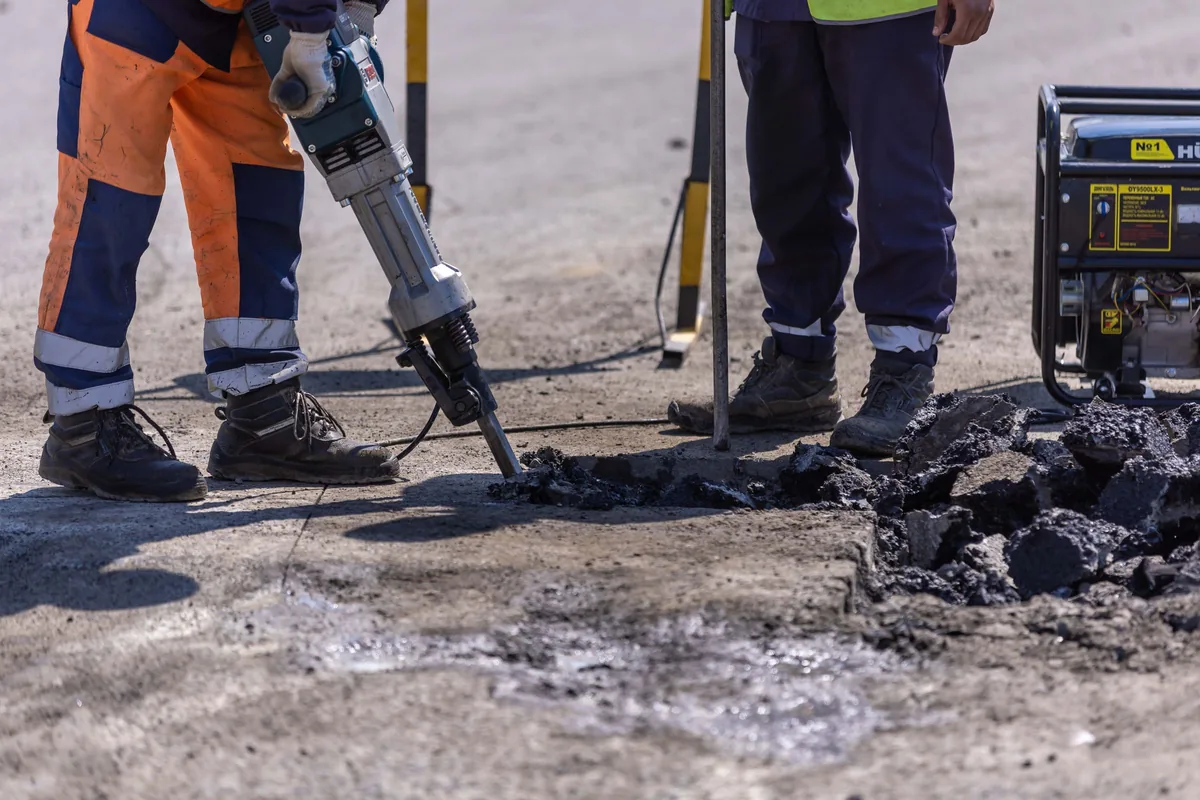
A saw-cut patch is permanent pothole repair and a cold patch is not. For the saw-cut repair we cut square edges into sound pavement, dig out the soft base, rebuild it, and compact hot mix flush with the lot. Cold patch is shoveled into the hole and driven over, so it usually loosens with the next heavy rain.
Anything that can trip a person or catch a tire where people walk. Potholes at entrances, raised or sunken patch edges between the stalls and the door, and damage on the accessible route go to the top of the list. Structural repairs in drive aisles come next, and smaller items join the same visit.
When failures sit close together, rebuilding the whole area as one piece usually beats patching each hole. Instead of a cluster of small patches, each with its own seams, we cut one larger outline, remove the asphalt and failed base inside it, and rebuild it in a single pass. Fewer seams leave water fewer ways into the base.
Most of these show up first where cars turn and people walk.
A repair that lasts is built from the bottom up, whether it is a single pothole or a full section replacement.
Damage at entrances and on walking routes is coned off and repaired first, while the rest of the lot stays open.
Each outline runs past the visible damage into firm pavement, since the soft base spreads wider than the hole, and is cut with straight, vertical edges.
Broken asphalt and wet base come out. New limerock is compacted in layers to match the surrounding section, commonly 6 to 8 inches in customer parking.
A tack coat on the cut walls bonds old asphalt to new, and hot mix is compacted until it sits flush, with no lip to catch a shoe.
The joint is sealed against water. Most patches take traffic again the same day or the next morning once they have cooled.
Throw-and-roll cold patch skips all of that. Its one honest use is making a fresh hole safe until the permanent repair is scheduled, and our quote calls it temporary.
Lots on a scheduled parking lot maintenance plan catch most potholes while they are still single patches; the choice below is for lots that have fallen behind.
Scattered potholes on a sound lot are a patching job. When failures cluster in one drive aisle or dock approach, section replacement rebuilds that area as one piece with a single seam around the outside.
Once failures spread across most of the lot, patching stops paying for itself, so we price repaving the existing lot alongside the repair list. Our full range of asphalt paving services for existing lots covers overlays, mill and pave, and reclamation.
If standing water caused the damage, we pair the patch with parking lot drainage and catch basin repair so it does not fail again.
Repair pricing follows the size, depth and grouping of the work:
Dollar figures are in the parking lot repair and paving cost guide, and your free assessment turns them into a priced list for your lot.
Afternoon storms do most of the damage. Water runs through open cracks into the limerock base, and over a high water table that base can stay wet long after the surface dries, so traffic punches out holes in clusters during the rainy season.
Heat and UV make older asphalt brittle around each repair. In the wet months we plan patching for dry morning windows, and it pays to close open holes before hurricane season, June 1 to November 30.
A repair through accessible spaces can raise a permit question, since changes to accessible parking often need one. Miami-Dade has dozens of municipalities with their own rules, so your city or county building department has the final word. See our paving and permit FAQ and the Miami-Dade County and Broward County pages.
Call (786) 321-8089 or send the form with the property type and where the worst damage is. A free on-site assessment comes next, then an itemized quote with the hazards scheduled first.