Worn asphalt ground off and repaved without raising the lot.
📞 Call (786) 321-8089 Request a Free Estimate
Property managers, HOA boards, retail plazas, warehouses and office parks choose milling and paving when the asphalt surface is worn out but has to stay level with curbs, doors and drains. We grind off the old top layer and pave fresh hot mix the same day, part of the Miami parking lot paving and repair we do across Miami-Dade, Broward and Palm Beach. Call (786) 321-8089 to book a free on-site assessment.
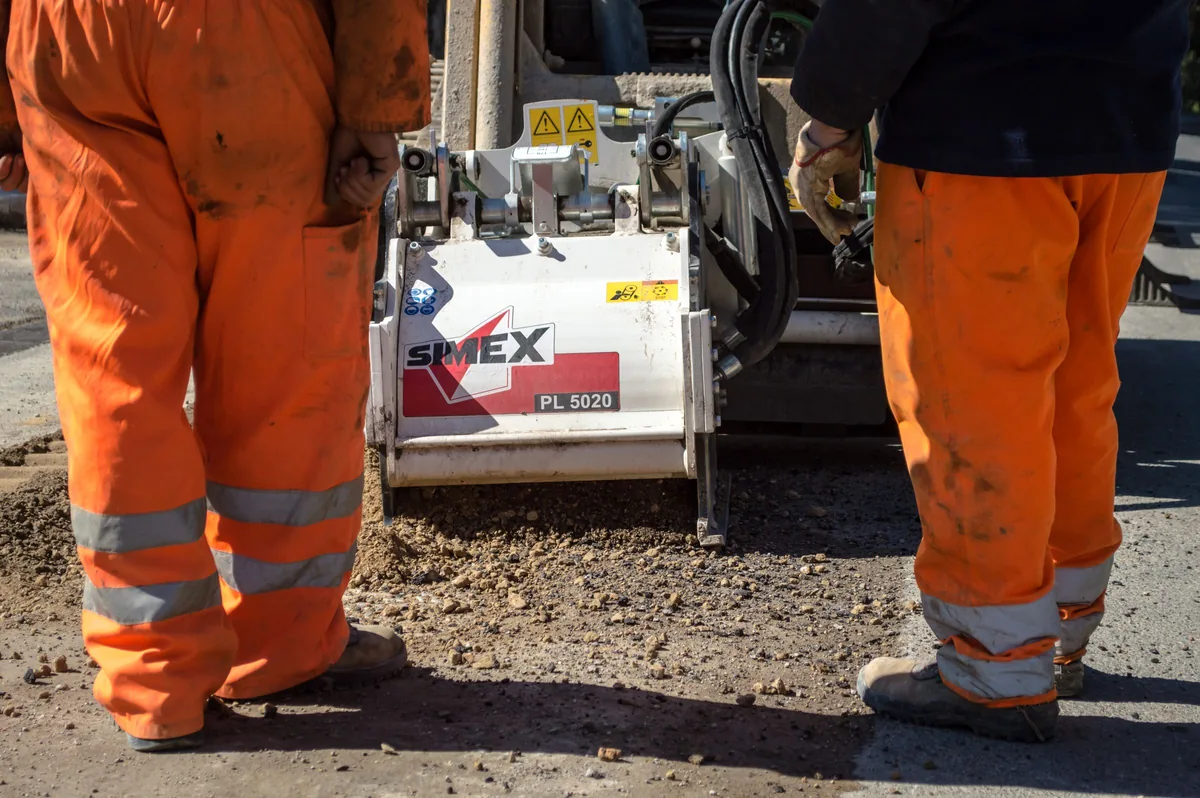
Milling and paving is resurfacing done in two steps. A milling machine, also called a cold planer, grinds the worn asphalt to a set depth, then a paver lays new hot mix in the cut and rollers compact it, so the finished surface sits at about the old height.
Deep enough to remove the damaged asphalt and make room for the new layer, commonly 1 to 2 inches on a parking lot. The overlay is commonly 1.5 to 2 inches, so we choose the two depths together to land the new surface where curbs and drains need it.
Yes. Each section is sized so it can be milled, swept, tack coated and paved in one working window, and in most cases that takes a day or a night before it reopens after cooling. A milled surface left open collects rain and dust and leaves drop-offs at curbs and frames.
These point to a worn surface on a sound base, common on lots that went in on a proper limerock base 10 to 20 years ago.
Each section goes through six steps while the rest of the property stays open; on a plaza that usually means 2 to 4 sections, so customers always have parking near the doors.
We mark the milling depth for each area and the heights the new surface must meet at curbs, gutters, thresholds and inlets.
A rotating drum with carbide teeth grinds the asphalt to the marked depth, commonly 1 to 2 inches on a parking lot, and a conveyor loads the millings into trucks for recycling.
A smaller machine finishes the cut along curbs, gutters and thresholds, so new asphalt meets the concrete at full thickness, not a thin edge that breaks up.
Inlet frames, manhole rings and valve boxes are raised or lowered to finish flush. A low frame becomes a puddle; a high one becomes a trip point.
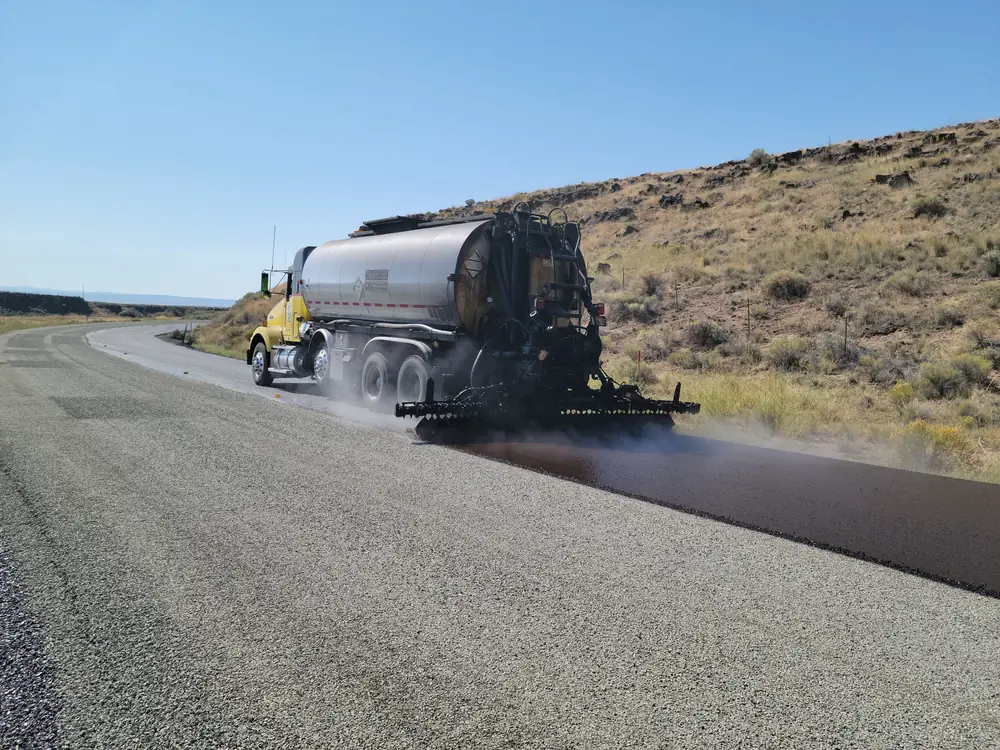
A sweeper clears the grit from the drum's grooves, then a tack coat is sprayed so the new layer grips the old.
The paver lays hot mix, commonly 1.5 to 2 inches, and rollers compact it while hot. Cars can typically return the day after, once the mat has cooled; trucks wait longer.
We set the depth area by area.
If the cut uncovers wet, broken base, that spot gets full-depth reclamation or base repair instead. Milling and paving is one part of the asphalt work we do on existing commercial lots; for a whole-property job, see repaving an existing lot.
Much of the price sits at the edges. These lines move a quote:
Typical dollar figures are in our Miami parking lot paving cost guide; your number comes from the itemized quote after the free assessment.
A mill and pave that changes drainage often needs a permit. Rules differ among the dozens of municipalities in Miami-Dade County and the cities of Broward County, so your city or county building department has the final word; see our paving FAQ on permits.
Call (786) 321-8089 or send the form with the property address and the areas that look worn. We will schedule a free on-site assessment and send an itemized quote.